
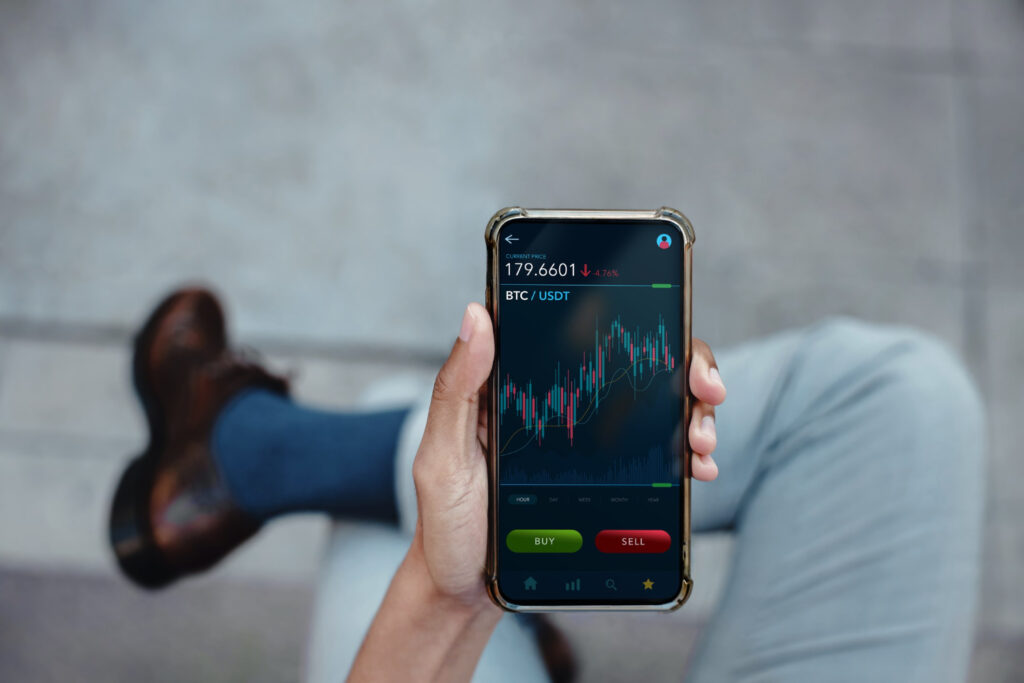
As the landscape of investment evolves, India’s multi-asset trading platforms are emerging as vital players in the financial ecosystem. Understanding these platforms is crucial for traders seeking diversification beyond traditional stocks. This exploration delves into the key players, the diverse asset types available-from equities to commodities and forex-and the technological innovations shaping the trading experience. Additionally, we will address the regulatory challenges and future trends, offering insights that could redefine your trading strategy.
Overview of India’s Financial Market
India’s financial market, currently valued at nearly $3 trillion, represents a dynamic ecosystem that is propelled by both retail and institutional investors, thereby offering a multitude of investment opportunities. Retail investors constitute a significant portion of market activity, frequently utilizing online trading platforms such as Zerodha and Upstox. In contrast, institutional players, including mutual funds and pension funds, tend to influence market dynamics through substantial investments.
The regulatory framework established by the Securities and Exchange Board of India (SEBI) plays a crucial role in maintaining market integrity and safeguarding investors. It implements essential measures, such as the mandatory disclosure of financial information and restrictions on insider trading. These regulations create a stable environment that fosters the growth of both domestic and foreign investments.
Key Players in the Ecosystem
Key stakeholders in India’s financial market include brokerage firms, asset management companies, and regulatory bodies, each of which plays a crucial role in the dynamics of the market. The National Stock Exchange (NSE) and the Bombay Stock Exchange (BSE) serve as the primary trading platforms, facilitating the buying and selling of securities. The Securities and Exchange Board of India (SEBI) is responsible for regulating these entities, thereby ensuring market integrity and safeguarding investor interests. Additionally, firms such as Zerodha and ICICI Direct have significantly transformed retail investing through the development of user-friendly platforms and competitive fee structures, thereby influencing investment trends among retail investors. For instance, Zerodha’s innovative features, including kite trading and comprehensive educational resources, effectively attract younger investors who are seeking accessible investment opportunities.
Types of Assets Traded
Investors have the opportunity to trade a diverse array of assets, including equities, commodities, foreign exchange (forex), and digital assets, each presenting unique opportunities and associated risks. In India, equities such as Nifty 50 stocks provide ownership stakes in well-established companies, typically characterized by moderate liquidity and volatility that fluctuate according to market conditions. Conversely, gold futures function as a hedge against inflation, offering lower liquidity while generally maintaining stable pricing. Major currency pairs, such as USD/INR, are known for their high liquidity and volatility, making them particularly suitable for forex traders seeking to capitalize on rapid profit opportunities. Given the distinct characteristics of each asset class, it is imperative for investors to carefully evaluate their risk tolerance and investment objectives prior to engaging in trading activities.
Equities, Commodities, and Forex
Equities offer substantial growth potential, commodities provide effective hedges against inflation, and forex trading facilitates currency speculation, each characterized by distinct strategies and risk profiles. In the realm of equities, investors frequently gravitate towards growth stocks, which have the capacity to generate significant returns during bullish market conditions, albeit with a degree of volatility.
Platforms such as the National Stock Exchange (NSE) are recommended for stock trading, allowing investors to analyze performance metrics, including price-to-earnings (P/E) ratios.
Commodities, particularly gold, are recognized as reliable hedges against inflation. For commodity trading, utilizing the Multi Commodity Exchange (MCX) enables traders to monitor historical volatility and gain insights into market dynamics. Forex trading entails speculating on currency pairs; utilizing tools such as MetaTrader can facilitate the implementation of automated strategies, effectively capitalizing on market fluctuations.
Technological Innovations in Trading
Technological advancements, including algorithmic trading and financial technology (fintech) solutions, are fundamentally transforming the trading landscape by enhancing both efficiency and accuracy. Platforms such as Zerodha’s Streak enable traders to automate their strategies through an intuitive drag-and-drop interface, making these tools accessible even to those new to trading.
Additionally, tools like QuantConnect allow for the backtesting of strategies across various asset classes, providing a practical method for validating trading ideas prior to live implementation. This combination of accessibility and sophisticated capabilities not only lowers barriers to entry but also fosters more data-driven decision-making in trading, ultimately enhancing profitability while mitigating emotional biases.
Regulatory Framework and Compliance
India’s regulatory framework, overseen by entities such as the Securities and Exchange Board of India (SEBI), plays a vital role in maintaining market integrity and protecting investors, thereby influencing trading practices and strategies. To ensure compliance with SEBI regulations, brokers are required to register with the appropriate authority and adhere to stringent conduct guidelines. They must submit comprehensive reports detailing trading activities and maintain effective communication with clients regarding associated risks and prevailing market conditions.
Traders, in turn, must ensure that their transactions comply with insider trading laws and other regulations. A thorough understanding of the guidelines issued by the Reserve Bank of India (RBI) is also imperative, particularly in relation to foreign investments and currency regulations. Regular training and updates on these regulatory frameworks are essential for both brokers and traders to remain compliant and well-informed.
Challenges Faced by Traders
Traders encounter a range of challenges, including market volatility, regulatory changes, and psychological factors that can significantly influence trading performance and decision-making processes. To effectively address these challenges, it is imperative for traders to prioritize education and adopt a disciplined approach. This begins with establishing a comprehensive understanding of market fundamentals through reputable online courses or webinars.
Additionally, utilizing trading simulators, such as Thinkorswim, allows traders to practice without incurring financial risk. Implementing strict trading plans, supported by tools like Trade Journal, enables the tracking of performance and emotional responses. Moreover, engaging in mindfulness techniques, including meditation, can aid in mitigating emotional trading. By fostering knowledge and discipline, traders can navigate the complexities of the market with greater efficacy.
Future Trends in Multi-Asset Trading
The future of a multi-asset trading platform is that it is positioned for significant transformation, driven by trends such as AI-driven trading strategies and the increasing adoption of cryptocurrencies. As these trends converge, substantial shifts in the market can be anticipated. Social trading platforms are gaining momentum, enabling users to capitalize on the strategies employed by experienced traders. This development has the potential to increase retail investment participation by 40% over the next five years. Moreover, sustainable investing has emerged as a priority for many investors; reports indicate that ESG-focused funds have attracted inflows exceeding $300 billion in 2023 alone. When combined with the predictive capabilities of AI, which can analyze market behaviors in real-time, the multi-asset trading landscape is likely to evolve into a more inclusive and efficient environment for all investors.
Related Posts

Mastering the Art of Choosing the Right Jeans for Your Body Shape
Finding the ideal pair of jeans can indeed be a…
How Spreads Impact Your Profitability: A Must-Know for Filipino Traders
In the volatile Philippine Stock Exchange, a single pip can…